この論文が検索結果に表示された理由となる箇所は、Keyword欄および本文中でハイライト表示されます。
(The content that matched your search query is highlighted in the Keyword section and/or within the article below.)
本文・論文原本リンクは下記参照(英語版も下記)
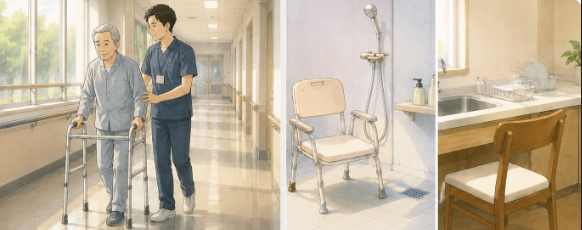
今日の投稿関連で、職場のリハビリの先生と話をする機会がありました。
負荷の高い歩行訓練などと、エネルギー温存療法の使い分け…
患者さんの状態も、価値観も、目標も様々…
なので、明確な線引きはむずかしく、まさにそこが、見極めなのだろうと思いました。
リハの先生の「熱い想い」が聞けました
I had a chance to talk with one of our rehabilitation therapists today about the topic of today’s post.
How to balance intensive gait training and energy conservation approaches…
Every patient is different — their condition, values, and goals all vary.
So there probably isn’t a clear boundary, and I felt that discerning the right balance is exactly the art of rehabilitation care.
I was able to hear the therapist’s genuine passion for their work.
–2026/5/13更新————————————————–
がん関連倦怠感に対する腫瘍リハビリテーションにおける現在の非薬物療法実践:全国プロバイダー調査の結果
Current non-pharmacological practices for cancer-related fatigue in oncology rehabilitation: results of a national provider survey
Harrington SE. et al.
Supportive Care in Cancer, 34:517, 2026 Apr 24
横断的アンケート研究として、AXIS tool と JAMA Users’ Guides 的観点を参考に批判的吟味を行った
本研究は、がん関連倦怠感(CRF)に対する非薬物療法の実践状況と、リハビリテーション導入の障壁を明らかにする目的で実施された、米国のリハビリテーション医療従事者を対象とした横断的アンケート調査である。
対象は、成人がん患者を診療する理学療法士、作業療法士、言語聴覚士、運動生理学士などのリハビリ専門職であり、197名が調査を完了した。回答者の内訳は、理学療法士60%、作業療法士26%、言語聴覚士9%、運動生理学士5%であった。
調査では、15種類の非薬物療法介入について、「全く行わない」「一部で行う」「常に行う」の頻度が評価された。
「常に行う」と回答された割合が高かった介入は、
- 治療的活動 78%
- 有酸素運動/筋力強化/柔軟運動 75%
- エネルギー温存戦略 58%
- セルフマネジメント教育 50%
であった。
「常に行う」と「一部で行う」を合わせると、
- 治療的活動 98%
- エネルギー温存 97%
- 環境調整・活動修正 96%
- 運動 93%
- セルフマネジメント教育(睡眠衛生を含む) 90%
が頻用されていた。
補完代替療法(瞑想、ダンス、気功など)は最も頻度が低かった。
介入効果の評価方法としては、患者の主観的報告(倦怠感の程度など)が89%と最も多く、次いで患者目標の主観的改善80%、患者報告アウトカム63%であった。
CRFケア導入の障壁としては、
- 受診疲れ 81%
- 仕事・家庭責任 73%
- 保険関連の経済的問題 72%
- 医師からの紹介不足 65%
- サービスアクセス困難 57%
が挙げられた。
著者らは、CRFに対する臨床実践ガイドライン作成において、エビデンスだけでなく、現在の実践パターンおよび患者側の受療障壁も考慮する必要があると結論している。
— Updated: May 13, 2026 ———————————————–
Current non-pharmacological practices for cancer-related fatigue in oncology rehabilitation: results of a national provider survey
Harrington SE, et al.
Supportive Care in Cancer, 34:517, Apr 24, 2026
This cross-sectional survey study was critically appraised using perspectives from the AXIS tool and the JAMA Users’ Guides.
The study aimed to clarify current non-pharmacological practices for cancer-related fatigue (CRF) and identify barriers to implementing rehabilitation care in clinical practice.
Participants included rehabilitation professionals involved in adult cancer care in the United States, including physical therapists, occupational therapists, speech-language pathologists, and exercise physiologists. A total of 197 providers completed the survey.
Respondent breakdown:
- Physical therapists: 60%
- Occupational therapists: 26%
- Speech-language pathologists: 9%
- Exercise physiologists: 5%
Fifteen types of non-pharmacological interventions were evaluated using three response categories:
“Never used,” “Sometimes used,” and “Always used.”
Interventions most frequently reported as “Always used” were:
- Therapeutic activities: 78%
- Aerobic/resistance/flexibility exercise: 75%
- Energy conservation strategies: 58%
- Self-management education: 50%
When combining “Always used” and “Sometimes used” responses, commonly utilized approaches included:
- Therapeutic activities: 98%
- Energy conservation strategies: 97%
- Environmental modification/activity adaptation: 96%
- Exercise interventions: 93%
- Self-management education (including sleep hygiene): 90%
Complementary and alternative approaches such as meditation, dance, and qigong were used least frequently.
Regarding outcome assessment methods, the most common measures were:
- Subjective patient reports (fatigue severity, etc.): 89%
- Subjective improvement in patient-defined goals: 80%
- Patient-reported outcomes: 63%
Reported barriers to CRF rehabilitation care included:
- Fatigue related to attending appointments: 81%
- Work and family responsibilities: 73%
- Insurance-related financial issues: 72%
- Lack of physician referral: 65%
- Difficulty accessing services: 57%
The authors concluded that future clinical practice guidelines for CRF should consider not only scientific evidence, but also current real-world practice patterns and patient-side barriers to receiving care.